Ali Arman — Personal Website — Behavioral Modeling
Behavioral modeling and analysis focus on understanding, quantifying, and predicting how individuals and groups make decisions under constraints, uncertainty, and trade-offs. At its core, it treats behavior as an observable outcome of latent preferences, perceptions, incentives, and contextual factors, translated into measurable choices and actions. This perspective is widely applicable across domains, ranging from mobility and energy use to marketing, finance, and human–AI interaction, because it combines rigorous statistical modeling with data-driven inference to explain why decisions are made, not only what happens. For data science practice, behavioral analysis provides a structured way to link raw data to interpretable insights, policy levers, and operational decisions.
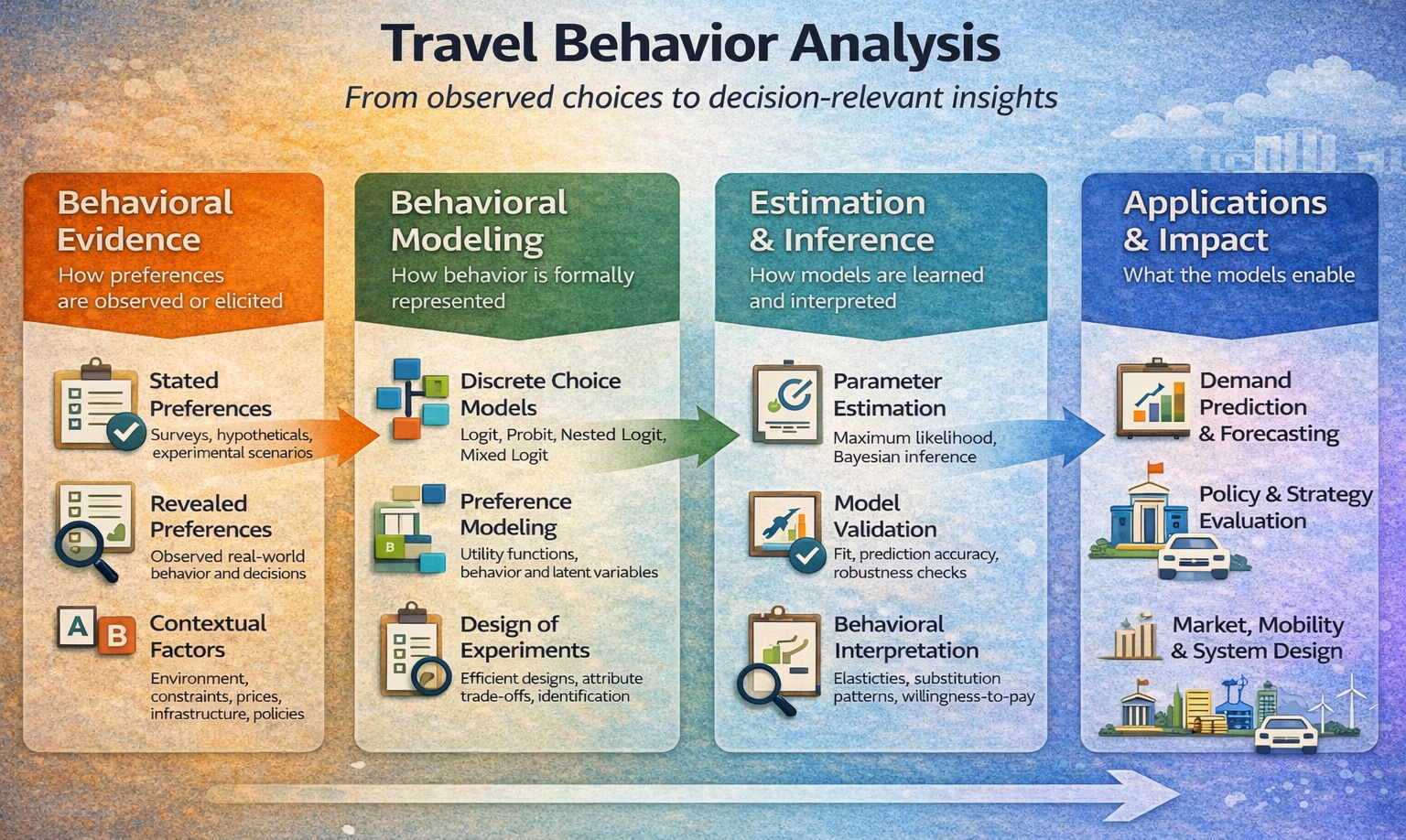
Travel behavior analysis applies this behavioral lens to how people organize activities and choose when, where, how, and whether to travel. Its primary purpose is to explain and forecast demand by explicitly modeling individual decision-making rather than relying solely on aggregate trends. Applications include travel demand forecasting, pricing and incentive design, mode choice and accessibility analysis, evaluation of new mobility services, and assessment of policy interventions related to sustainability and equity. By connecting socio-demographics, activity patterns, network conditions, and perceived costs, travel behavior analysis supports evidence-based planning and business decisions in contexts where demand is elastic, heterogeneous, and sensitive to both economic and non-economic factors.
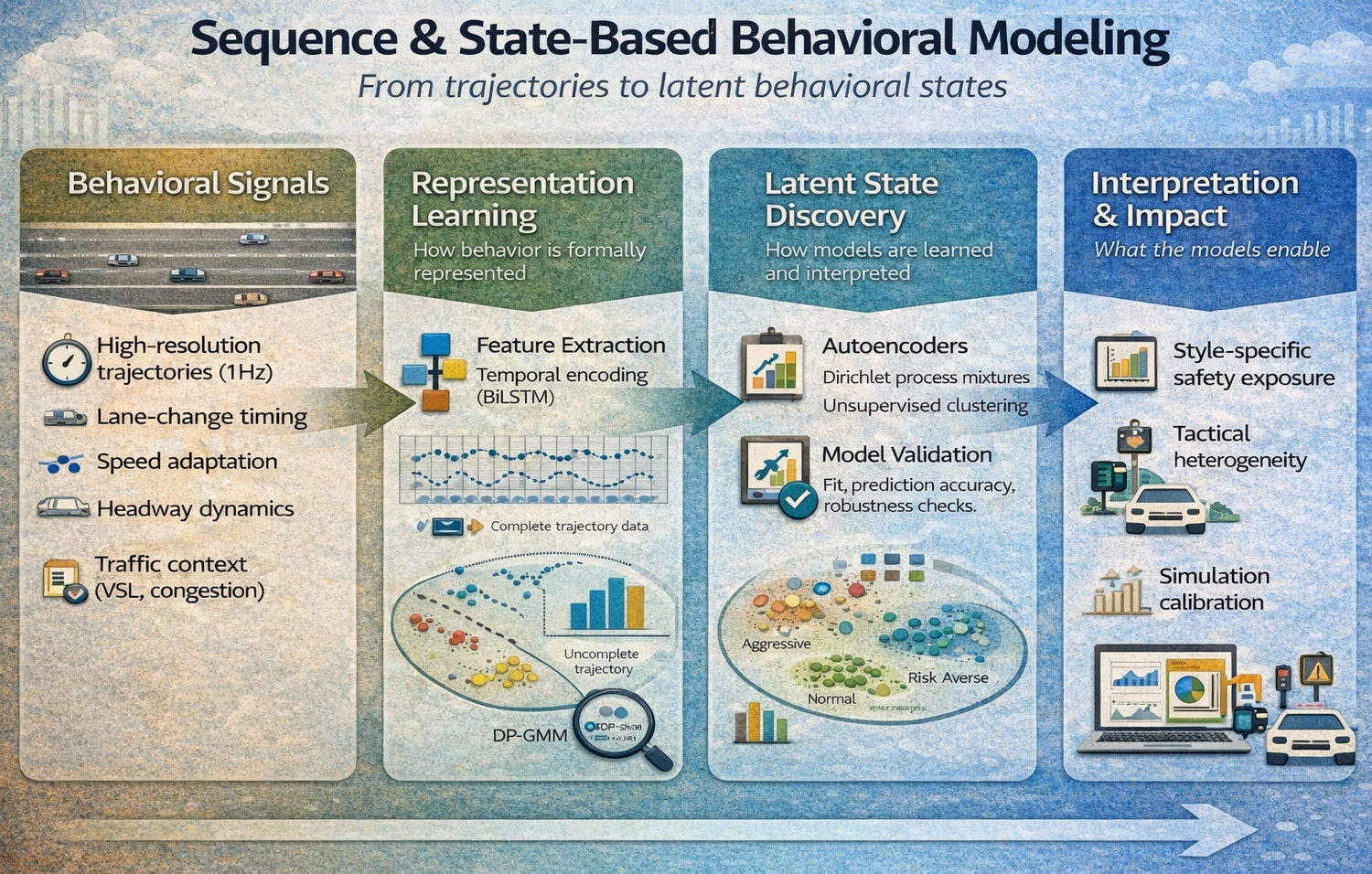
Driving behavior analysis shifts the focus from trip-level decisions to the tactical and operational choices made during driving, such as speed selection, car-following, gap acceptance, lane changing, and responses to traffic control or assistance systems. Its objectives include understanding heterogeneity in driving styles, identifying precursors to safety-critical events, and quantifying how drivers adapt to infrastructure, traffic conditions, and vehicle technologies. Practical applications span road safety assessment, risk modeling, advanced driver-assistance systems (ADAS), connected and automated mobility, insurance analytics, and real-time traffic operations. From a data science perspective, driving behavior analysis bridges human factors with high-resolution sensor data, enabling interpretable models that inform both system design and real-time decision support.
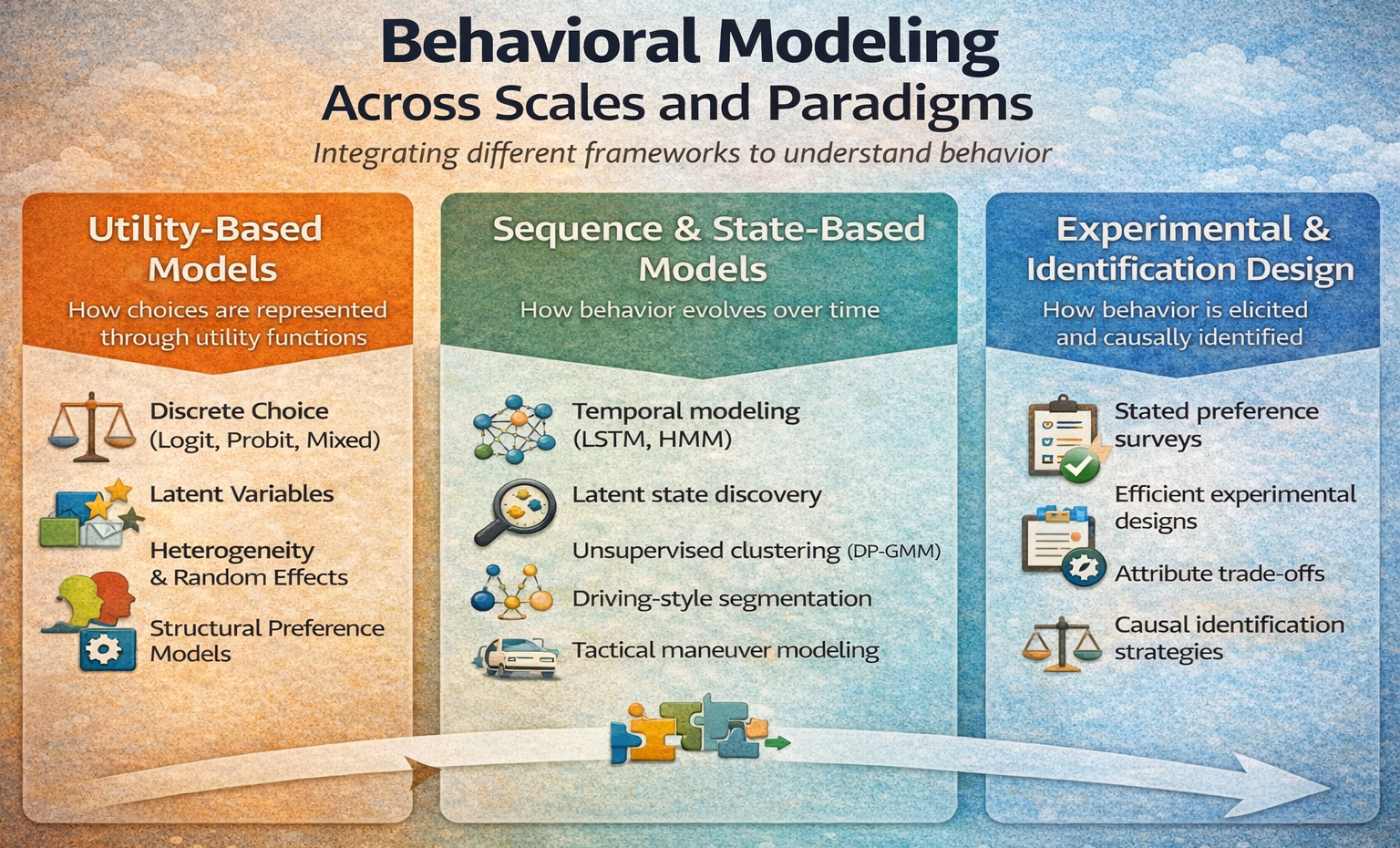
The methodological foundation of behavioral analysis combines econometric modeling with experimental and data-centric approaches. Discrete choice analysis models decisions as outcomes of utility maximization, allowing preferences, trade-offs, and heterogeneity to be estimated in a statistically rigorous and interpretable manner. Design of experiments provides principled strategies to generate informative data by systematically varying attributes and conditions, improving identifiability and efficiency. Revealed preference methods infer behavior from observed real-world choices, capturing actual constraints and habits, while stated preference methods elicit responses to hypothetical scenarios to evaluate new policies, products, or technologies before deployment. Together, these methods form a coherent toolkit that is transferable across domains wherever understanding and predicting human decision-making is essential.
Across my projects, I have systematically applied the full spectrum of behavioral analysis methods: discrete choice analysis, rigorous data collection survey and companions for revealed preference analysis, and design of experiments for stated preference studies, covering the entire pipeline from hypothesis and assumptions definition to data collection to modeling, inference, and decision support. More recently, I have expanded this methodological foundation with unsupervised, neural-network-based classification and representation learning to uncover latent behavioral patterns and address behavioral heterogeneity at scale. This combination allows me to move seamlessly between interpretable, theory-driven models and data-driven discovery, enabling robust segmentation, explanatory insight, and predictive performance in complex, real-world settings where behavior is diverse, dynamic, and only partially observable.
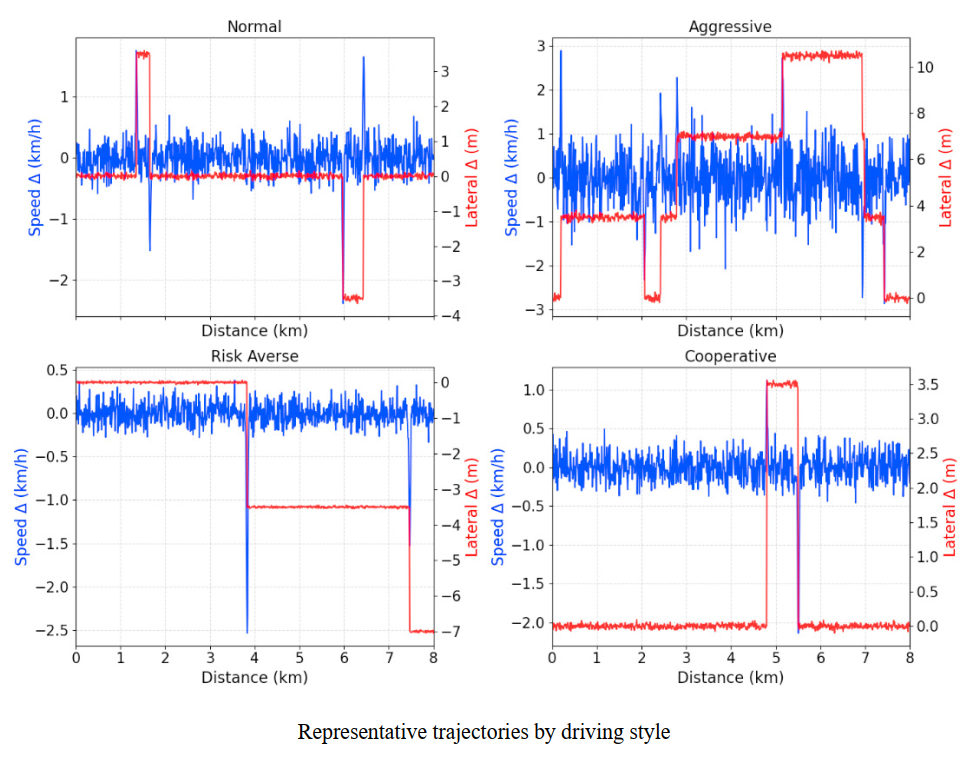
This project uncovers tactical driving behavior directly from large-scale panel floating car trajectory data collected along an extended motorway corridor. Rather than relying on predefined behavioral labels, the objective was to reveal naturally emerging driving patterns, such as aggressiveness, conservativeness, and adaptation to congestion, through data-driven analysis of longitudinal and lateral maneuvers. The motivation stems from a critical gap in traffic safety and operations: most traffic management and risk assessment models assume homogeneous driver behavior, while real-world traffic is inherently heterogeneous. By extracting latent tactical styles from real trajectories, the study provides a behaviorally grounded basis for safety assessment, congestion management, and connected and automated mobility strategies.

Methodologically, the study integrates high-resolution trajectory reconstruction with feature engineering of maneuver-level indicators and advanced unsupervised learning techniques. Dimensionality reduction and clustering frameworks were applied to characterize multi-dimensional behavioral signatures, capturing speed adaptation, lane-change dynamics, and spacing strategies under varying traffic states. The approach rigorously separates tactical behavior from purely contextual traffic effects, enabling interpretable segmentation of drivers across time and space. The combination of large-scale panel data, spatiotemporal feature extraction, and unsupervised modeling demonstrates the ability to handle noisy, high-dimensional datasets while preserving behavioral interpretability, reflecting advanced competence in statistical learning, representation modeling, and traffic flow theory (Transportation Research Symposium - Transportation Research Procedia - 2025).
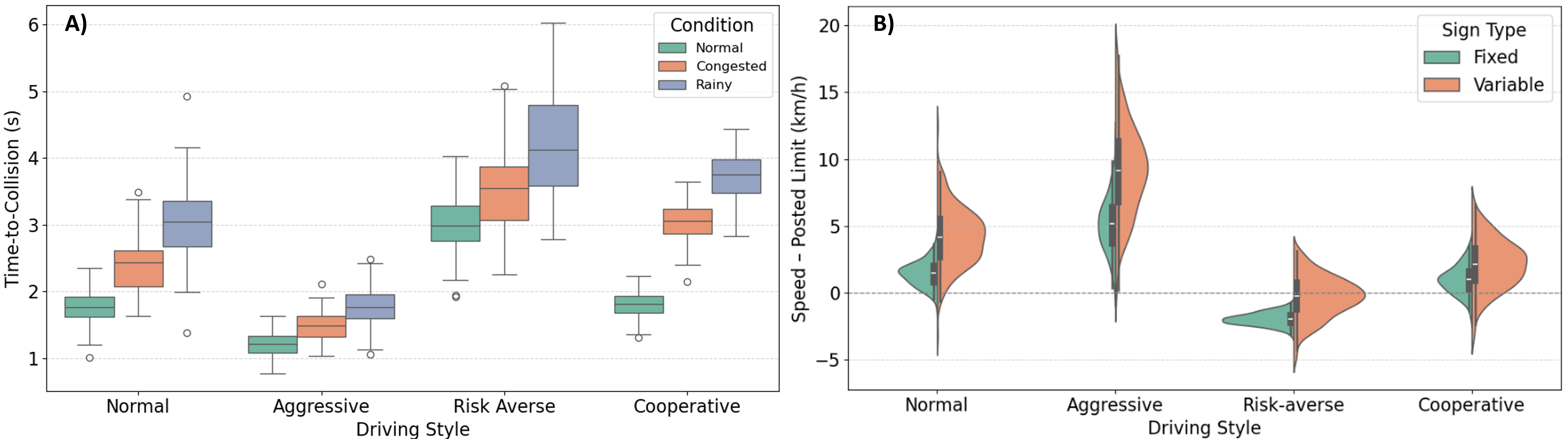
Beyond transportation, this work exemplifies transferable data science capabilities in behavioral segmentation, anomaly detection, and pattern discovery within complex dynamic systems. The pipeline, data fusion, scalable preprocessing, feature construction, unsupervised classification, and interpretability analysis, mirrors industrial applications such as customer segmentation, fraud detection, insurance risk profiling, telematics analytics, and predictive maintenance. Identifying latent behavioral archetypes from raw time-series data enables targeted intervention, personalized services, and risk-aware decision support. The project highlights the ability to convert massive unstructured spatiotemporal data into structured, economically meaningful behavioral intelligence applicable across domains where heterogeneity and dynamics drive performance and risk.
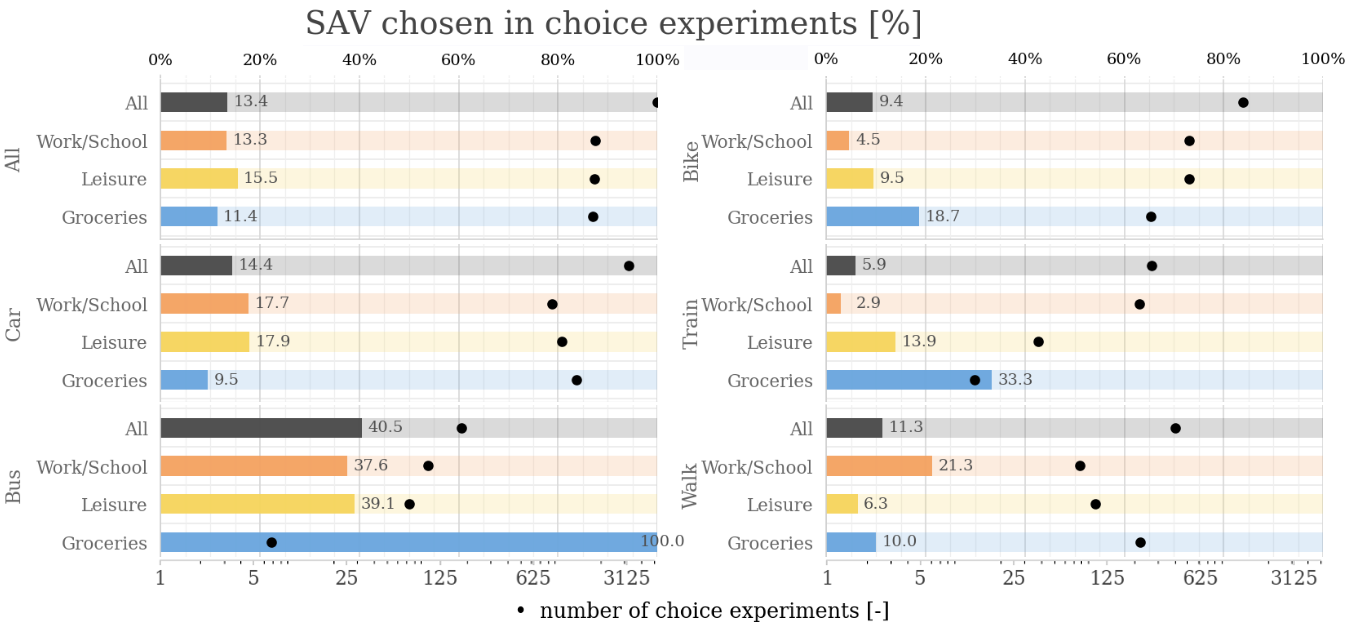
This project investigates how travelers perceive and evaluate an on-demand, stop-based pooled automated vehicle (AV) service within a real-world multimodal transport system in Flanders, Belgium. The core objective was to understand whether such a service would substitute private cars, compete with public transport, or complement existing mobility options, while explicitly accounting for differences across trip purposes (work/school, leisure, and groceries). The study addresses a critical policy and industry question: how can shared automated mobility be integrated sustainably without undermining public transport or inducing additional car dependence? The findings provide actionable insights for regulators, operators, and technology developers designing scalable automated mobility services.
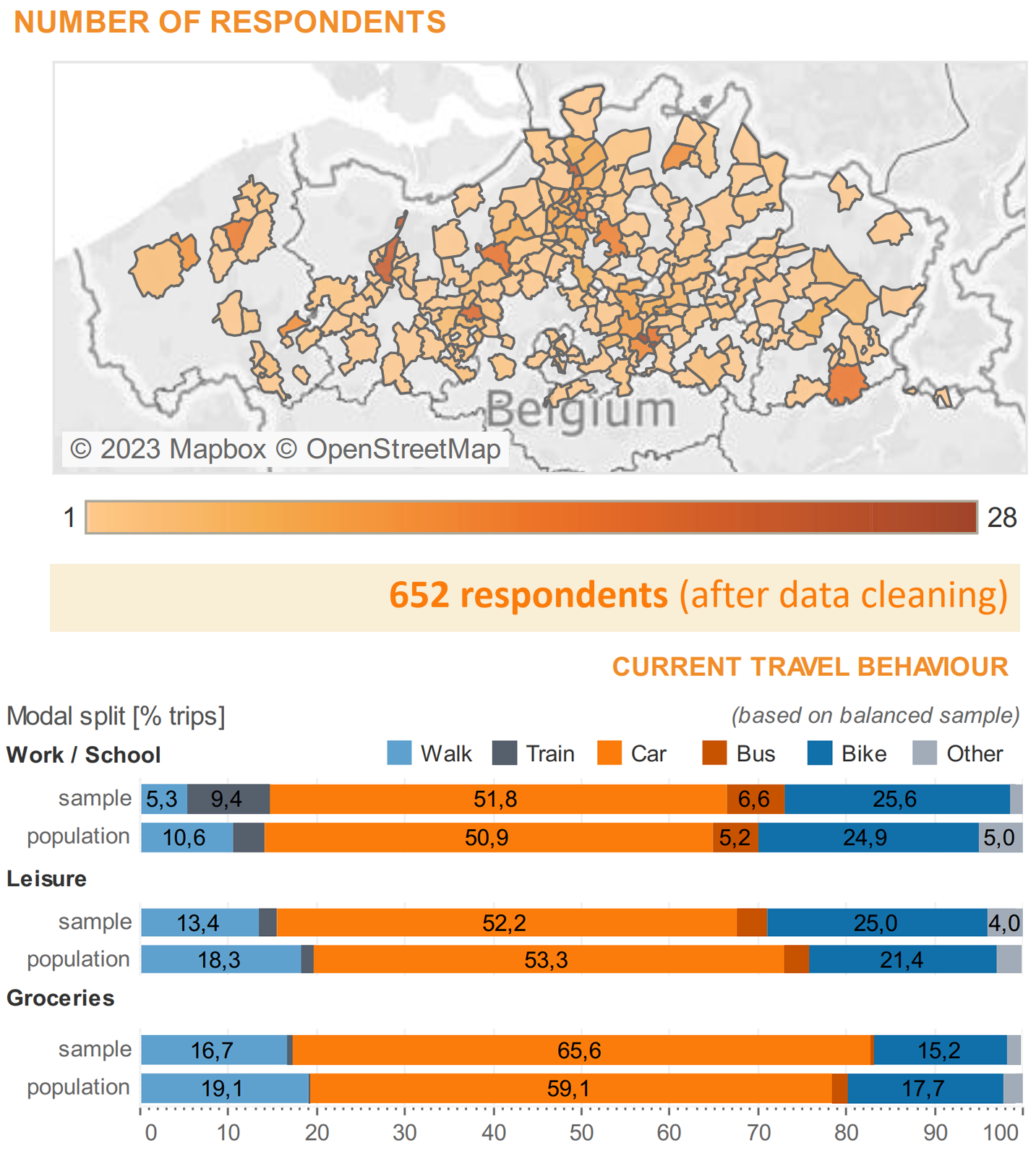
Methodologically, the project combines a large-scale stated choice experiment (652 respondents, nearly 5,000 binary observations) with advanced discrete choice modeling, including Multinomial Logit (MNL), Nested Logit (NL), and Cross-Nested Logit (CNL) formulations. The use of cross-nested structures enabled rigorous identification of substitution patterns and latent similarity between the proposed AV service and conventional modes. The modeling framework formally derived and estimated correlation structures in unobserved utility components, quantified substitution strength, and estimated value of travel time (VTT) across trip purposes. This level of structural modeling, combined with experimental design grounded in revealed reference trips, demonstrates the ability to move beyond surface-level prediction toward behaviorally interpretable, statistically robust, and policy-relevant inference (Transportation Research Board 103rd Annual Meeting - 2024 & European Transport Research Review - 2025).
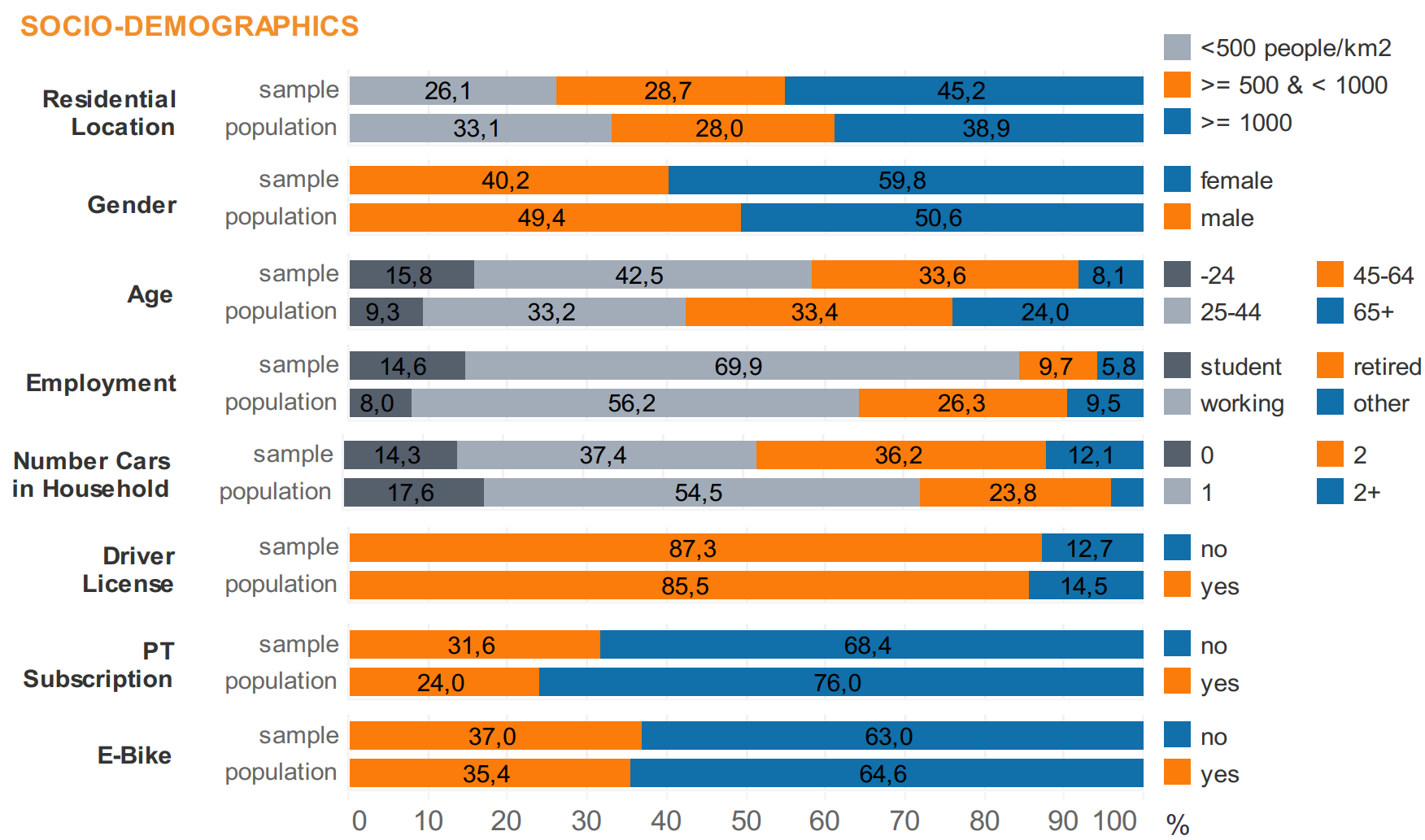
Beyond transportation and mobility, the project showcases transferable skills highly relevant to industrial data science and economic analytics. It integrates experimental design, advanced econometrics, probabilistic modeling, heterogeneity analysis, and large-scale optimization-based estimation (via Python Biogeme and a tailored weighted maximum likelihood estimator). The ability to quantify trade-offs (time vs. cost), identify latent substitution structures, estimate willingness-to-pay, and model behavioral segmentation under uncertainty is directly applicable to pricing strategy, product design, market-entry analysis, demand forecasting, and policy evaluation in sectors such as energy, insurance, logistics, and digital platforms. The work reflects a capacity to translate complex behavioral data into structured decision-support models with clear economic interpretation and measurable strategic value.
This project investigates how women’s daily activity–travel behavior is shaped in a patriarchal developing-country context, using large-scale household travel survey data from three Iranian cities. Unlike conventional gender studies rooted in Western settings, this research explicitly models how marital status, employment status, household structure, and cultural constraints influence women’s joint decisions on daily activity patterns (DAP) and mode choice. The study addresses fundamental questions of gender equity, mobility access, and social participation, providing evidence-based insights for transportation policy, women-only transit services, safety planning, and activity-based demand modeling in societies where institutional and cultural norms significantly shape mobility freedom.
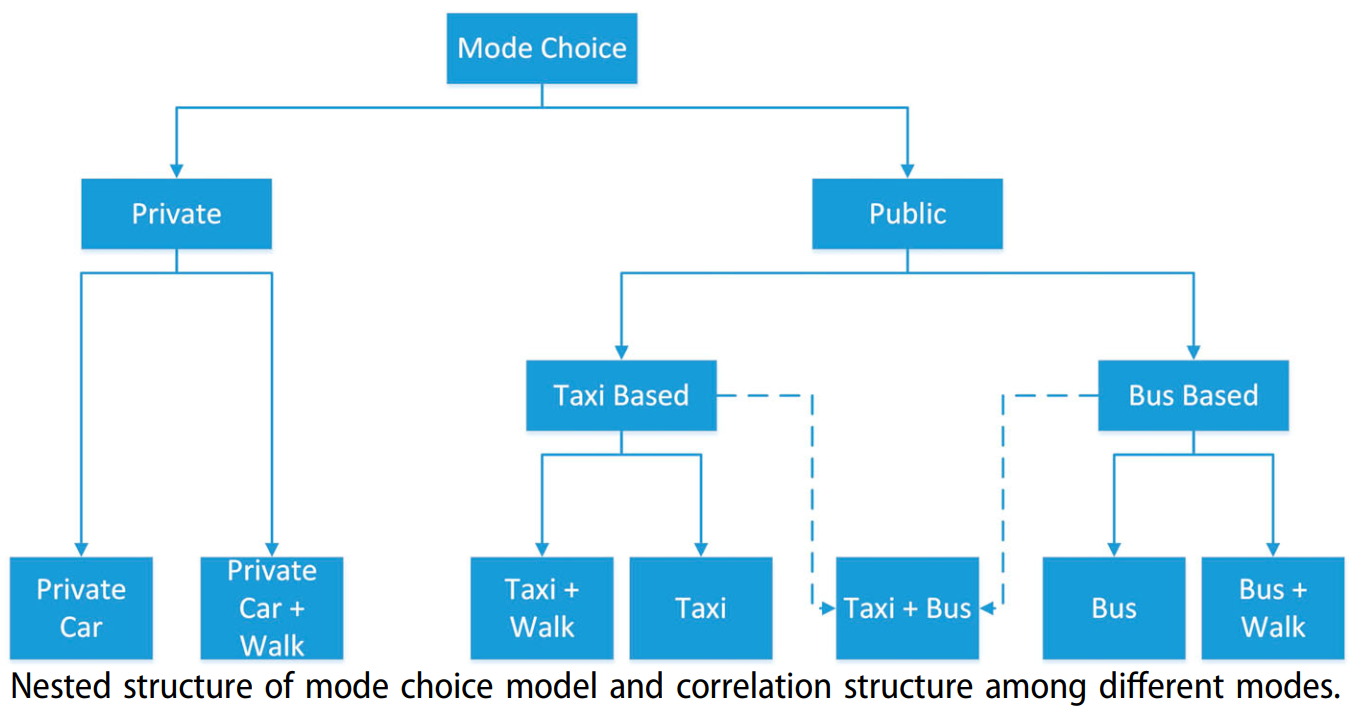
Methodologically, the study develops a joint two-level mixed nested Logit model, simultaneously estimating daily activity pattern choice and transportation mode choice. The lower layer models multimodal behavior (private car, taxi systems, bus, and combined access modes) with random parameters and error components to capture taste heterogeneity and inter-alternative correlation. The upper layer models nine empirically derived daily activity patterns, incorporating a logsum accessibility measure from the mode model to reflect behavioral interdependence. A jointly estimated common latent component captures household socio-economic influences (parental or spousal characteristics), enabling structural representation of marital and household constraints. The model is estimated using maximum simulated likelihood with scrambled Halton sequences, demonstrating strong statistical fit and robust behavioral interpretation. This framework positions the work at the frontier of discrete choice modeling, behavioral heterogeneity analysis, and activity-based transport modeling in complex socio-cultural environments.
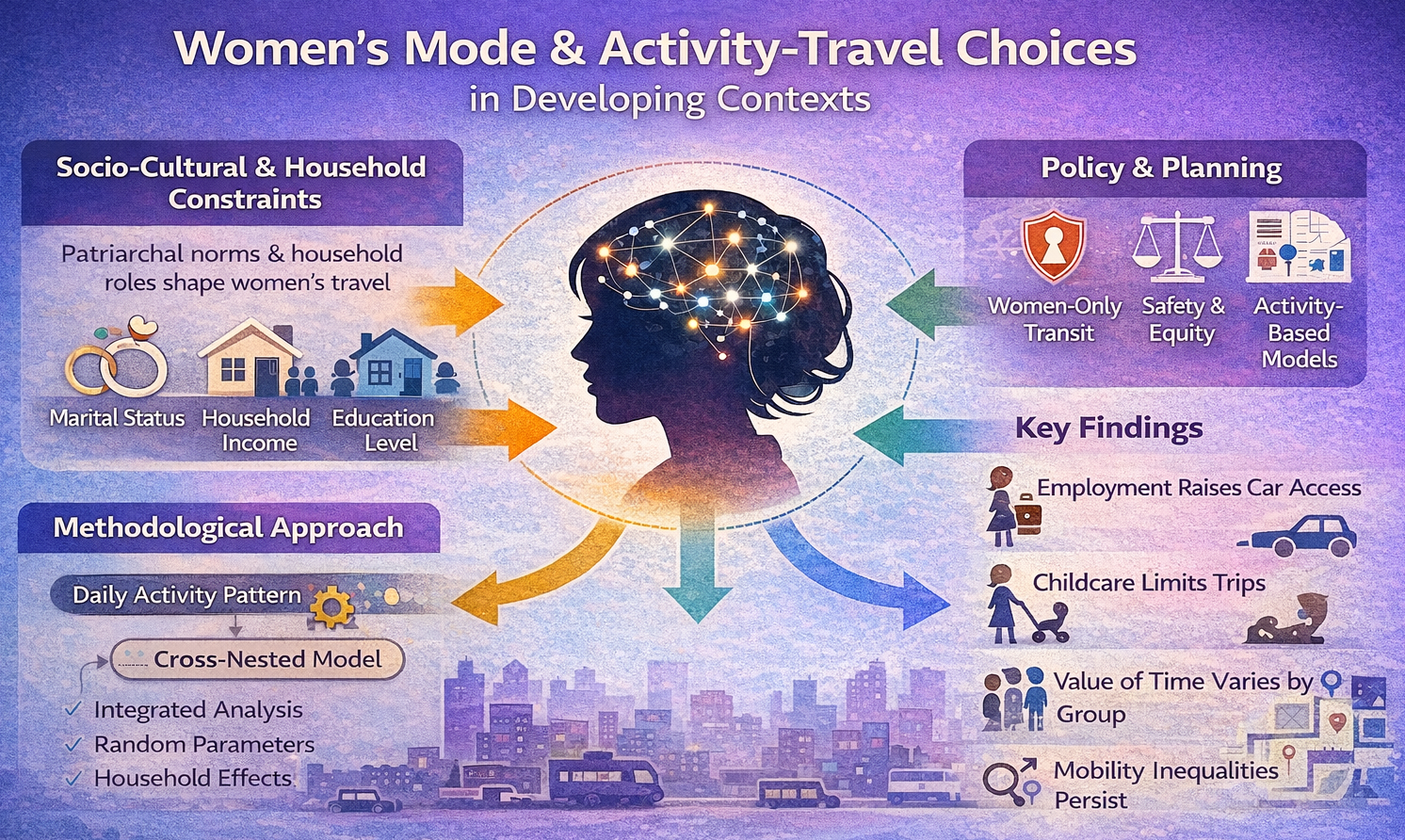
Substantively, the results show that employment and marital status are the two dominant determinants of women’s mobility structure. Employment significantly increases car usage and raises value of time, while marital status and childcare responsibilities strongly constrain activity combinations. Parental and spousal education levels reduce restrictive patterns, revealing the role of social capital in mobility freedom. Work shifts, occupation type, workplace location (CBD vs. non-CBD), and presence of a business trip further restructure daily activity chains. The findings demonstrate that women’s mobility in developing countries is not merely a mobility outcome but a socio-economic equilibrium shaped by household structure, labor participation, and institutional norms (Transportation Planning and Technology - 2018 & Transportation Research Board 98th Annual Meeting - 2019).
The methodological framework developed in this study, specifically the joint mixed nested Logit structure integrating hierarchical decision layers, random parameters, and shared latent components, is broadly applicable to complex systems where decisions are interdependent, constrained, and heterogeneous. Beyond transportation, such a framework can model coupled decisions in domains like consumer product bundling, workforce task allocation, healthcare service utilisation, credit and insurance risk profiling, and household financial planning. This methodology enables rigorous inference in settings where choices are neither isolated nor purely sequential. This makes the approach particularly valuable in industrial analytics contexts that require interpretable, structurally consistent models rather than purely black-box prediction.
This project develops a joint behavioral modeling framework to explain how single-car households allocate both daily activities and vehicle access among family members. In many developing contexts, car-deficient households must negotiate mobility under resource constraints, making vehicle access a strategic household decision rather than an individual one. The project was motivated by the need to move beyond isolated modeling of activity participation or car allocation and instead capture their interdependence. By quantifying intrahousehold dynamics, such as gender roles, employment status, presence of children, and time-of-day constraints, the project provides actionable insights for activity-based demand modeling, equity-sensitive transportation planning, and policy evaluation in constrained mobility environments.
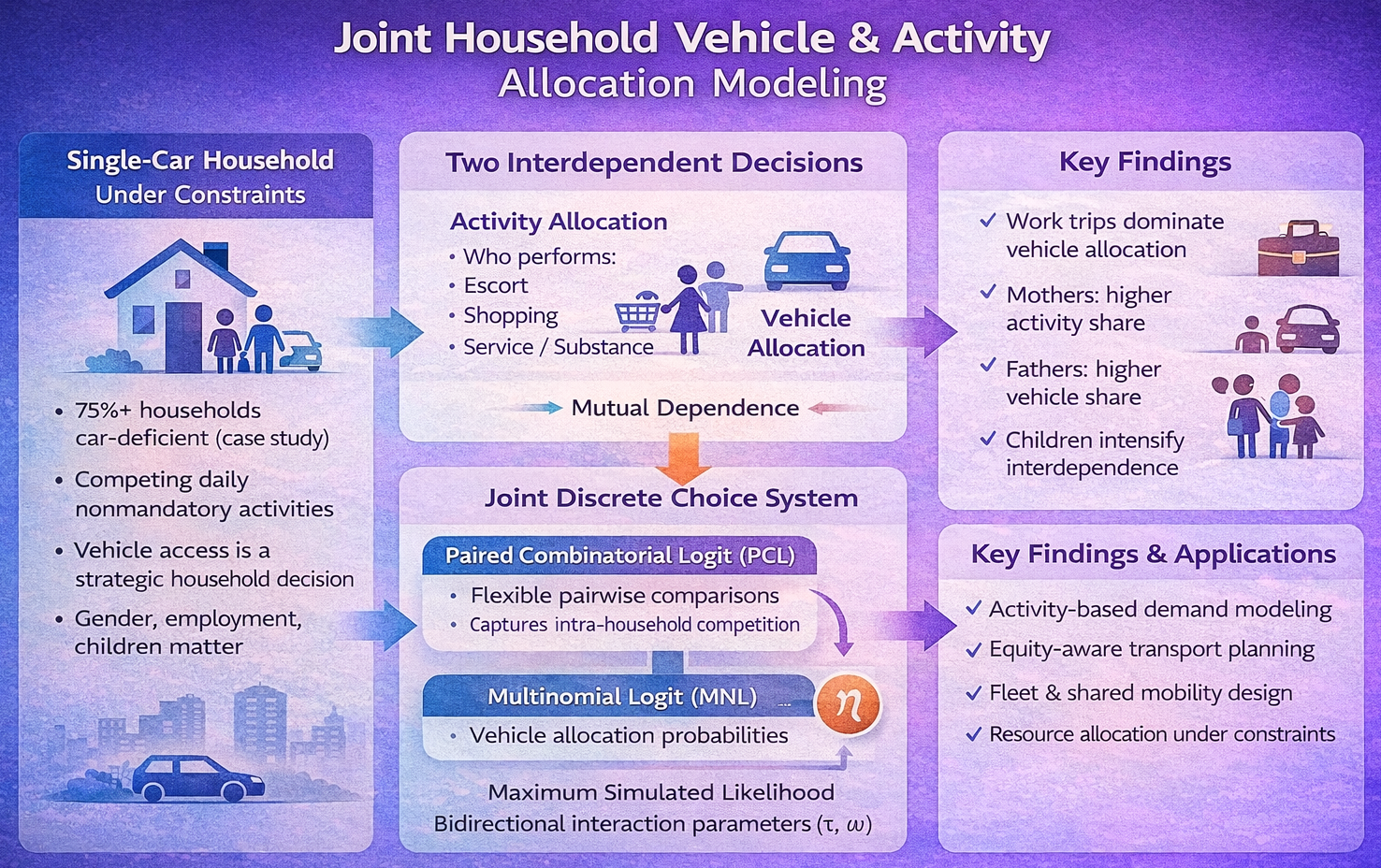
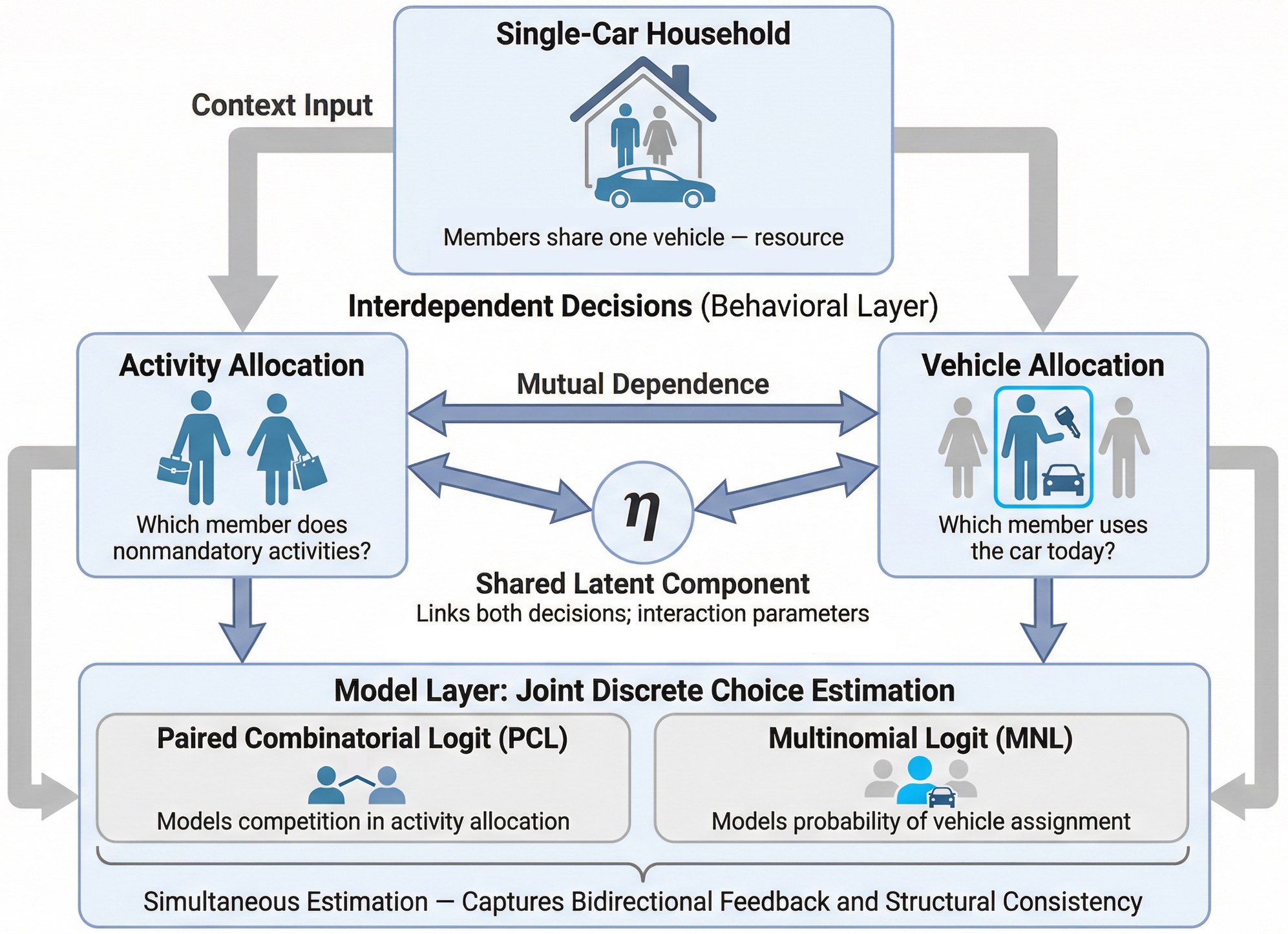
Methodologically, the project introduces a simultaneous joint discrete choice modeling system that integrates a Paired Combinatorial Logit (PCL) model for activity allocation with a Multinomial Logit (MNL) model for vehicle allocation . The PCL structure flexibly captures pairwise comparisons among household members without imposing rigid nesting assumptions, while the MNL component models vehicle assignment probabilities. A shared latent joint component links the two systems, estimated through maximum simulated likelihood using multidimensional integration techniques. Interaction parameters (τ and ω) explicitly quantify bidirectional dependence between activity and car allocation decisions, revealing structural feedback effects rather than mere correlations. The model achieves strong predictive performance (rho-square ≈ 0.397 and robust Theil statistics), demonstrating advanced expertise in flexible discrete choice structures, joint estimation, simulation-based inference, and behavioral system modeling under interdependent constraints (Transportation Research Record: Journal of the Transportation Research Board - 2015).
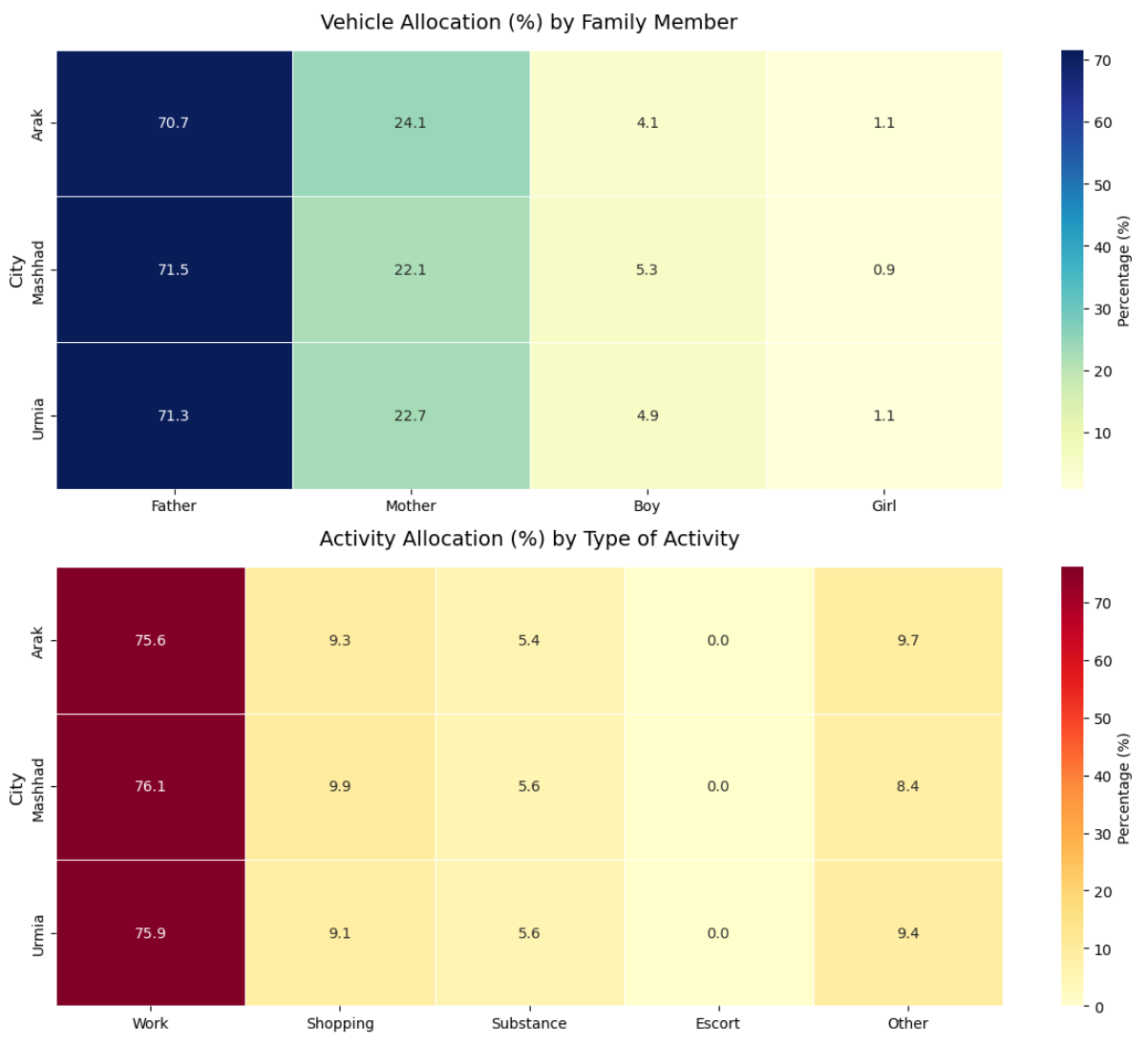
The joint PCL–MNL modeling system developed in this project provides a transferable framework for analyzing resource allocation under shared constraints, where multiple agents compete for limited assets and decisions are mutually dependent. By structurally linking competing claims through interaction parameters and a shared latent component, the approach can be extended to domains such as fleet management, cloud resource scheduling, workforce shift assignment, inventory distribution, and capital budgeting within organizations. Its strength lies in formally modeling strategic competition and interdependence rather than treating allocation outcomes as independent events, making it highly relevant for operational optimization, shared-platform design, and decision-support systems in complex, resource-constrained environments.
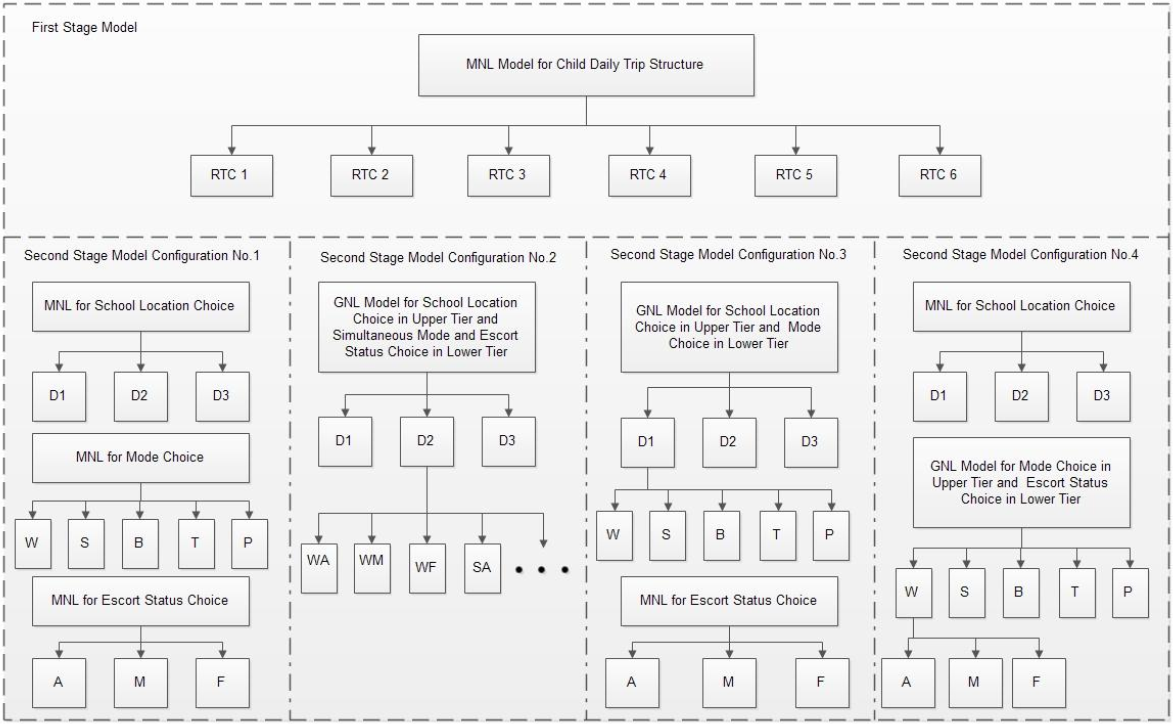
This project investigates how cultural, social, and household-level factors shape children’s daily travel behavior, moving beyond purely infrastructural or economic explanations. The project was motivated by a critical question in transportation research: why do children in similar built environments exhibit markedly different travel patterns? By explicitly incorporating cultural norms, parental attitudes, household structure, and gender-related expectations into the modeling framework, the project provides evidence that children’s mobility is not only a function of distance and accessibility, but also of deeply embedded social constraints and behavioral norms. The findings have important implications for school transport policy, active travel promotion, traffic safety interventions, and equitable urban planning strategies.
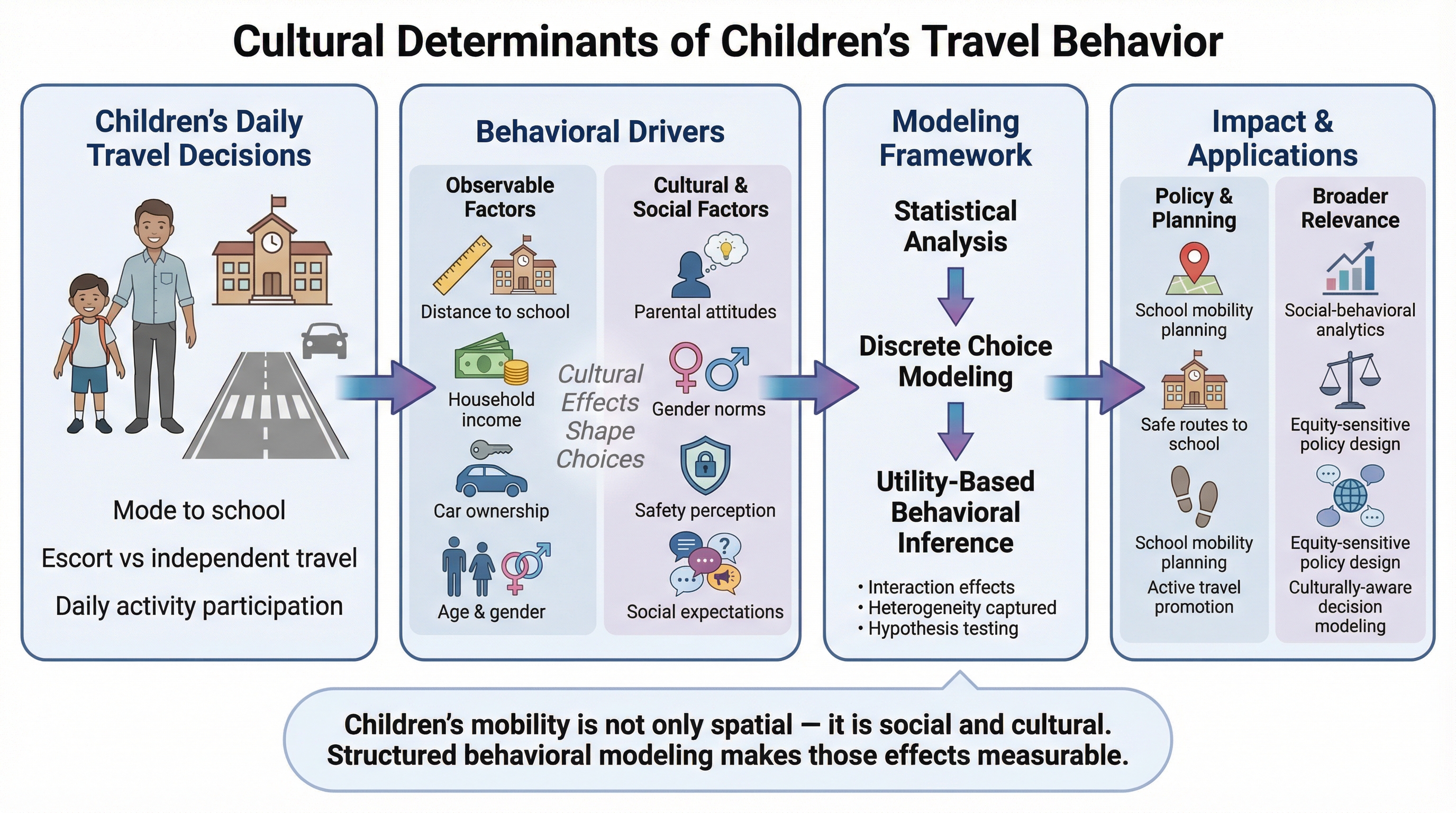
Methodologically, the study integrates advanced statistical modeling and discrete choice analysis to capture both observable determinants and latent cultural influences on children’s mode and activity participation decisions. The framework combines multivariate statistical testing, hierarchical behavioral structures, and carefully specified utility-based models to ensure behavioral interpretability and statistical robustness. Interaction effects between child characteristics, parental attributes, and contextual variables are explicitly modeled, allowing structural identification of socio-cultural impacts rather than relying on descriptive comparisons. The project represents aspects of behavioral econometrics, model specification, and inference under complex social heterogeneity, demonstrating its high-level capability in translating nuanced human behavior into structured, decision-ready analytical models (Transportation Research Board 92nd Annual Meeting - 2013).
Beyond transportation, modeling behavior under socio-environmental constraints, showcased in this project is transferable in other domains particularly where cultural and contextual variables influence decision outcomes. The methodological approach can be applied to domains such as education access analysis, healthcare utilization behavior, consumer adoption studies, financial decision modeling in households, and risk perception analysis. By combining statistical diagnostics, structured utility modeling, and socio-demographic segmentation, the framework enables interpretable prediction in environments where social norms and latent attitudes shape measurable outcomes. This reflects the ability to bridge quantitative rigor with socio-behavioral insight, an increasingly valuable capability in industrial analytics, public policy evaluation, and market behavior research.